




Cedar Roofing on Cape Cod
Coast Carpentry Home Improvement installs red cedar shake and shingle roofs on Cape Cod homes, from Bourne to Provincetown. We are a local crew based in Osterville, licensed and insured, and the work is done by our own people, never subcontracted. The owner oversees every cedar roof under his own Massachusetts Construction Supervisor license.
Why Cedar Is the Right Roof for a Cape House
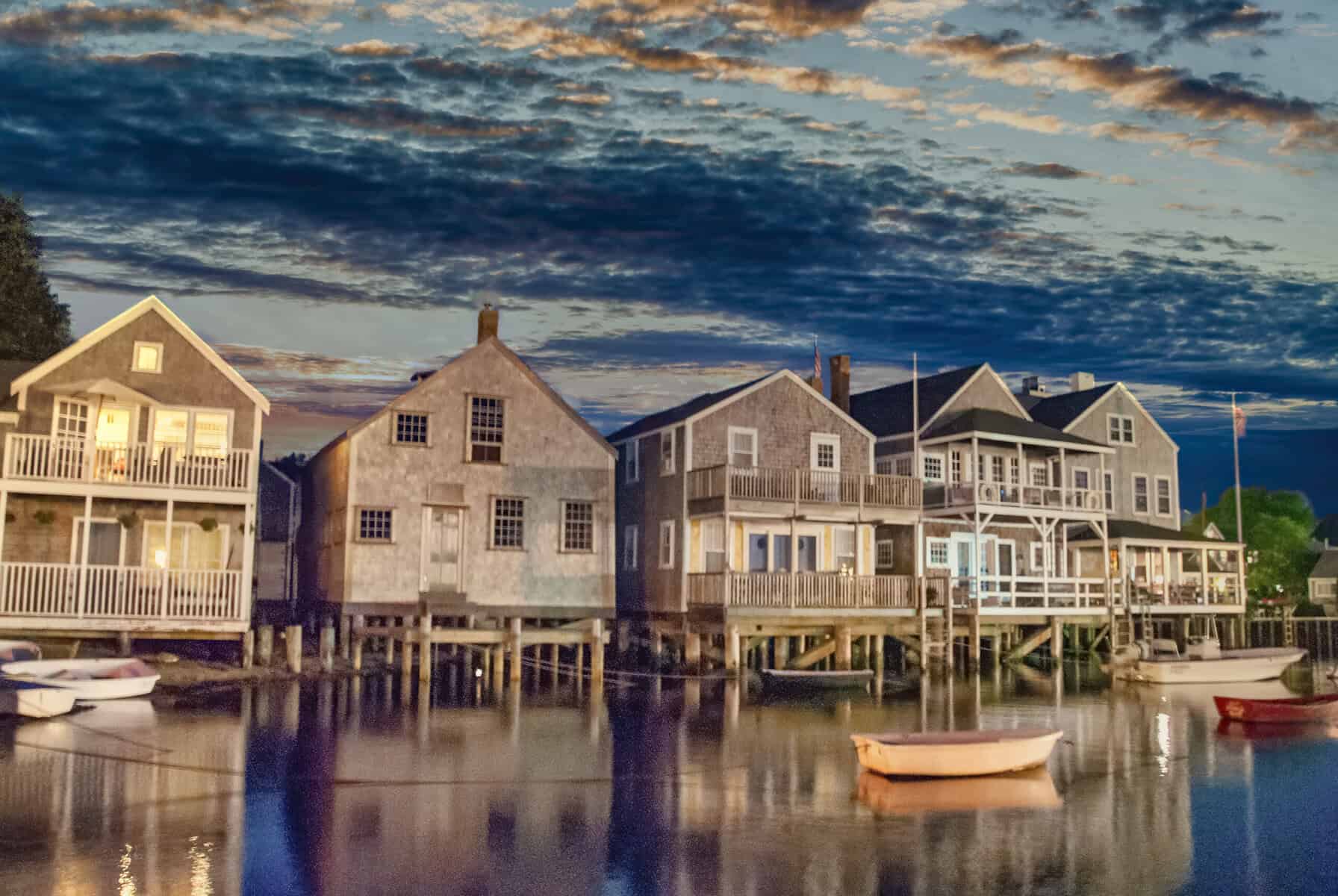
Cedar is what most of the Cape was roofed with before asphalt, and it still fits this climate better than almost anything else.
It handles salt air
Red cedar carries natural oils that resist moisture and rot. That matters within a few miles of the water, where salt air and fog sit on a roof for weeks at a time. Cedar sheds wind driven rain from a nor’easter and dries out afterward, which is exactly the cycle a Cape roof lives through.
It weathers to the Cape look
New red cedar goes on warm and reddish brown. Within a few seasons it weathers to the silver grey you see on shingle style homes all over the Cape. Nothing else gives a house that look honestly, and it is often what a historic district committee wants to see on an older home.
It suits the architecture
A traditional Cape, a Colonial, a shingle style home, a gambrel. These houses were designed around a cedar roof, with the pitch and the overhangs to match. Cedar restores the proportions that an asphalt roof flattens out.
Shingles or Shakes? Both Are Cedar. They Are Not the Same Roof.
Most homeowners hear cedar and picture one thing. There are two, and the right one depends on your house.
Red cedar shingles
Sawn smooth on both faces, uniform in thickness, and laid in tight, even courses. This is the classic Cape and shingle style look, and it is usually the answer on a traditional Cape, a Colonial, or any home in a historic district where the committee wants to see what was there before.
Red cedar shakes
Split rather than sawn, thicker and heavier, with a rougher face and deeper shadow lines. Shakes read as rustic and substantial. They suit larger shingle style homes, barns and outbuildings, and anywhere you want the roof to carry some visual weight.
How we help you choose
We look at the pitch of the roof, the age and style of the house, what the neighbors have, and whether a historic district has a say. Then we tell you plainly which one fits. On a repair or an addition we match what is already there so the new section does not read as a patch.
What Makes a Cedar Roof Last
A cedar roof is only as good as what is under it and what holds it down. When we inspect a failing cedar roof on the Cape, the cause is almost never the cedar. It is one of three installation shortcuts, and we do not take any of them.
- Room to breathe. Cedar has to dry from both sides or it cups and rots from underneath. We install a breather layer or skip sheathing under every cedar roof so air moves behind the shingles. Cedar nailed tight to a solid deck over synthetic underlayment is the most common failure we see, and it can look fine from the ground for years while the underside rots.
- Fasteners that survive salt air. Plain nails rust and streak a cedar roof within a few seasons this close to the water. We use stainless steel or hot dipped galvanized fasteners, and the flashing metal is matched to the job, so nothing on the roof is the weak link.
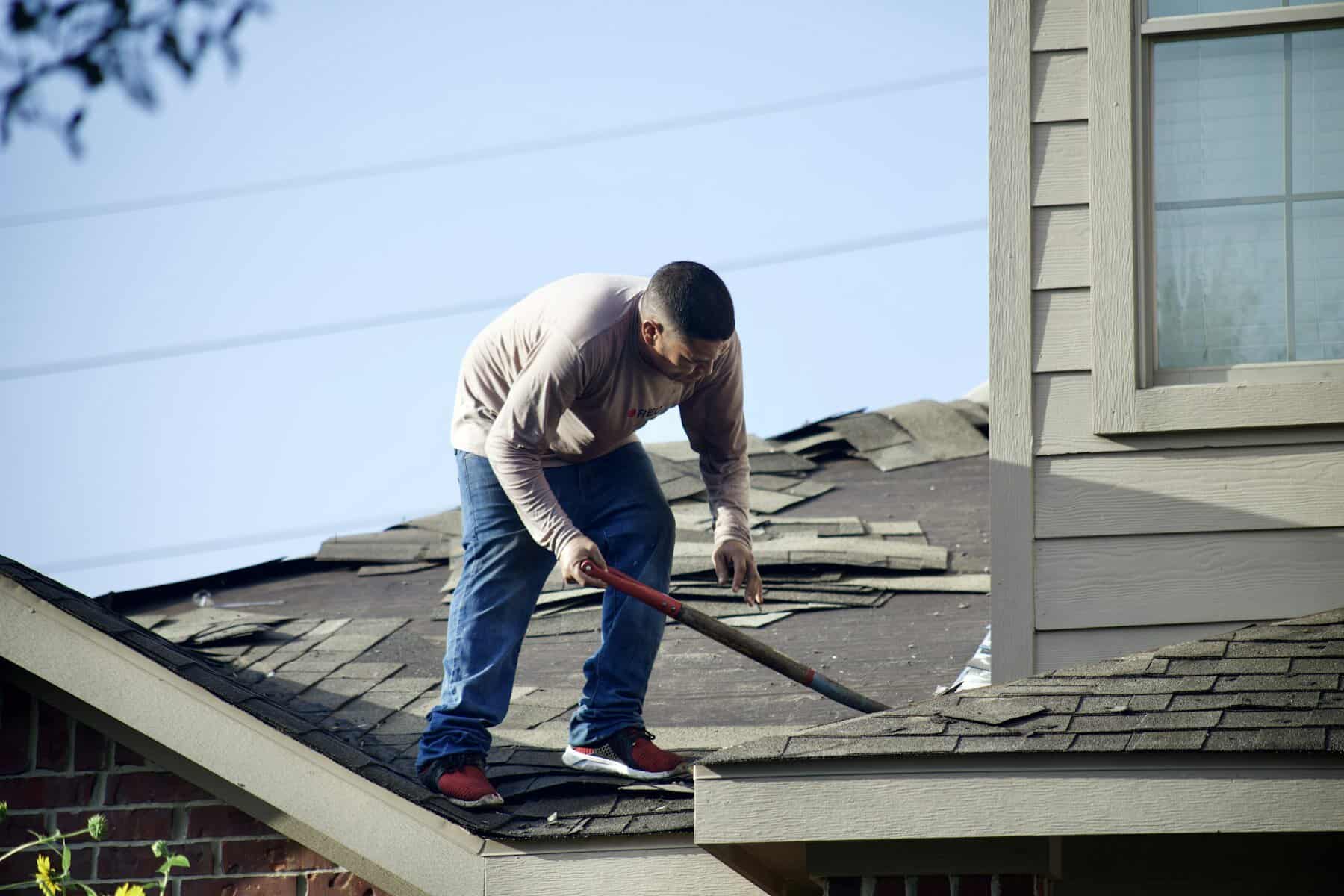
- A clean, inspected deck. Cedar never goes over an old roof. We strip to the sheathing, replace anything soft, and run ice and water shield at the eaves and valleys before the first shingle goes down. Tearing off is also how we find the old leaks before they become your problem again.
Red Cedar on the Roof, White Cedar on the Walls
Cape homeowners ask us about this constantly, and it is worth getting right. The two cedars are not interchangeable.
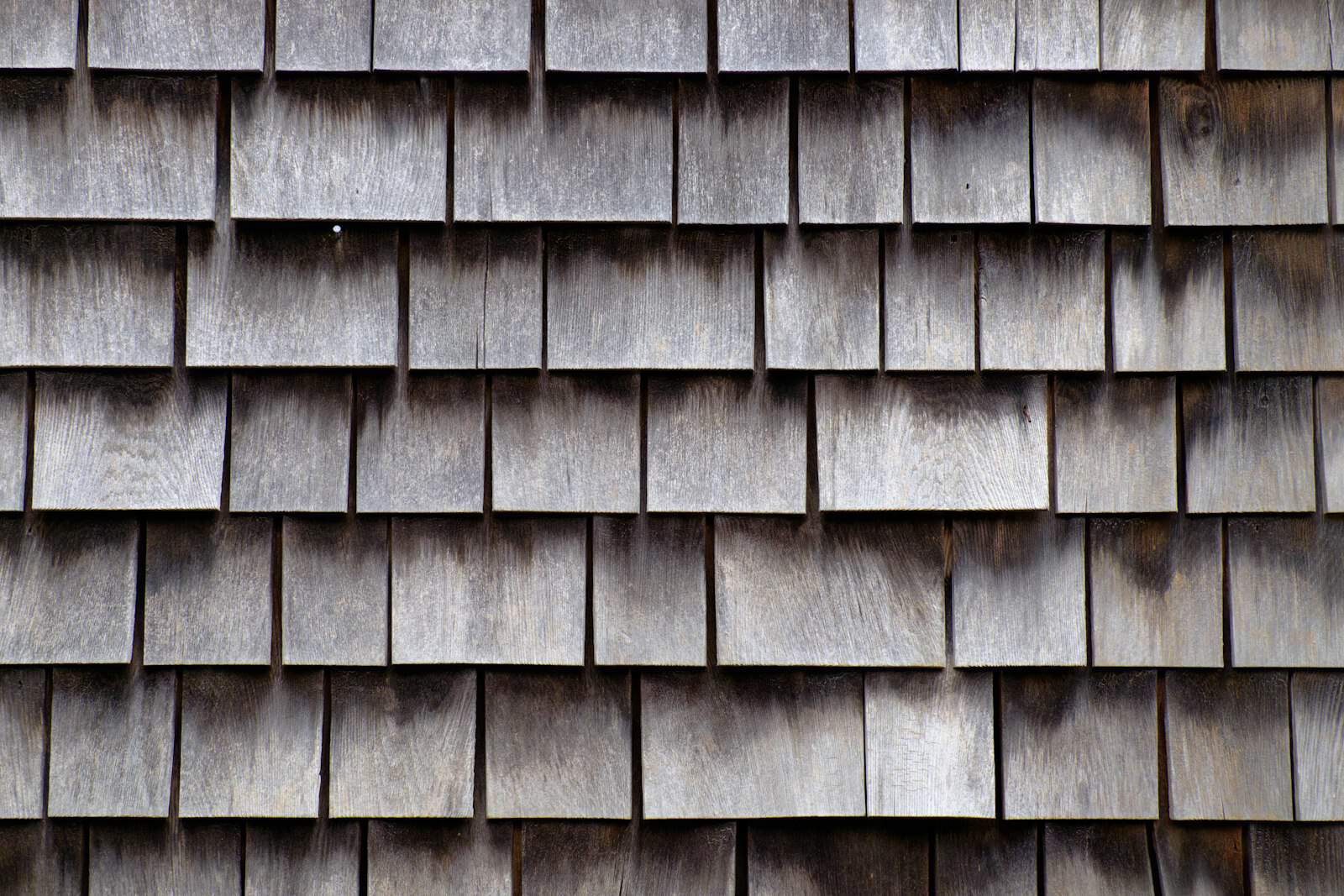
White cedar is the traditional Cape siding shingle. It is lighter, it weathers to a soft silver, and it is what we install on walls as Grade A white cedar shingle siding. On a roof, though, white cedar does not hold up to standing water and direct sun the way red cedar does.
Red cedar is the roofing wood. It is denser, it carries more of the natural oils that fight rot, and it is milled in the thicknesses a roof needs. Every cedar roof we install is red cedar. If you are weighing both for a whole exterior, we will walk you through where each one belongs.
How a Cedar Roof Install Goes
No surprises, no mystery crews. Here is what actually happens once you say yes.
Inspection and a written estimate
We walk the roof, photograph what we find, and give you a clear written estimate. If part of the roof only needs a repair, we say so.
Tear off and deck work
The old roof comes off down to the sheathing. Soft or rotted decking is replaced, and ice and water shield goes on at the eaves, valleys and around every penetration.
Breather layer and cedar
The breather layer goes down, then the cedar is set at the right exposure for the pitch, with stainless or hot dipped fasteners. Ridges and hips get a proper cedar cap.
Flashing and details
Chimneys, skylights, sidewalls and valleys get flashing matched to the job. This is where cheap roofs leak, so it is where we spend the time.
Cleanup and walkthrough
We protect your landscaping while we work and haul away every scrap. When it is done, we walk the finished roof with you before we call it finished.
Historic district approvals
If your home sits in a historic district, cedar is usually the material the committee expects. We work from what the committee approves and match the details they care about.
Cedar Roof Repair
We repair cedar roofs, not just replace them. Often the honest answer to a leak is a repair, and we will tell you which it is after we look.
Most cedar roof leaks on the Cape come from one of a few places: flashing that has pulled away at a chimney or sidewall, a run of split or curled shakes on the weather side of the house, a ridge cap that has opened up, or moss holding water on a shaded north slope. All of those are repairable without replacing the roof, and a repair done right on a cedar roof that is otherwise sound can buy you many more years.
What we will not do is patch a roof that has failed underneath. If the sheathing is soft or the cedar was installed with no way to dry, a repair only hides the problem, and we would rather show you the photos and explain the real options. If your roof is leaking right now, call (508) 360-9658 and tell us it is active. Leaks move to the front of the line.
Where We Install Cedar Roofs
Coast Carpentry serves all of Cape Cod, which is every town in Barnstable County, and nowhere else. Our shop is in Osterville, in the town of Barnstable, so we are close to the whole Cape.
That includes the villages homeowners actually say when they call us: Osterville, Centerville, Hyannis, Cotuit, Marstons Mills, West Barnstable, Woods Hole, Dennisport, South Yarmouth and the rest.
Cedar Roofing Questions, Answered Straight
Is a cedar roof right for a Cape Cod home?
Usually, yes, and often it is what the house was built for. Cedar handles salt air well, sheds wind driven rain, and weathers to the silver grey that Cape homes are known for. If your home is in a historic district, cedar is often the material the review committee expects to see.
Red cedar or white cedar for a roof?
Red cedar for the roof. White cedar is the traditional Cape siding shingle, but on a roof it does not hold up to standing water and sun the way red cedar does. We put red cedar on roofs and Grade A white cedar on walls, and we will explain why if you are weighing both.
How long does a cedar roof last on the Cape?
It depends far more on the installation than on the wood. A cedar roof that can dry from underneath, with fasteners that do not rust and proper flashing, lasts far longer than one nailed tight to a solid deck with cheap nails. When we inspect a failing cedar roof, the cause is almost always one of those three things, not the cedar itself.
Do you need to tear off the old roof first?
Yes. Cedar goes on a clean, inspected deck with a breather layer, never over old shingles. Tearing off is also how we find soft sheathing and old leaks before they become your problem again under a new roof.
Can you match cedar on a historic home or an addition?
Yes. We match the exposure, the shingle or shake type, and the ridge and hip details to what is already there, so a new section does not look like a patch. On historic district homes we work from what the committee approves.
My cedar roof is leaking right now. Can you repair it?
Call (508) 360-9658 and tell us it is active. We repair cedar roofs, not just replace them. Often a leak is a failed flashing or a split section of shakes, and a repair is the honest answer. We will tell you which it is after we look.
Thinking About a Cedar Roof?
Get a straight answer from a crew that installs them. Free written estimate, no pressure.